The South Orkney Islands
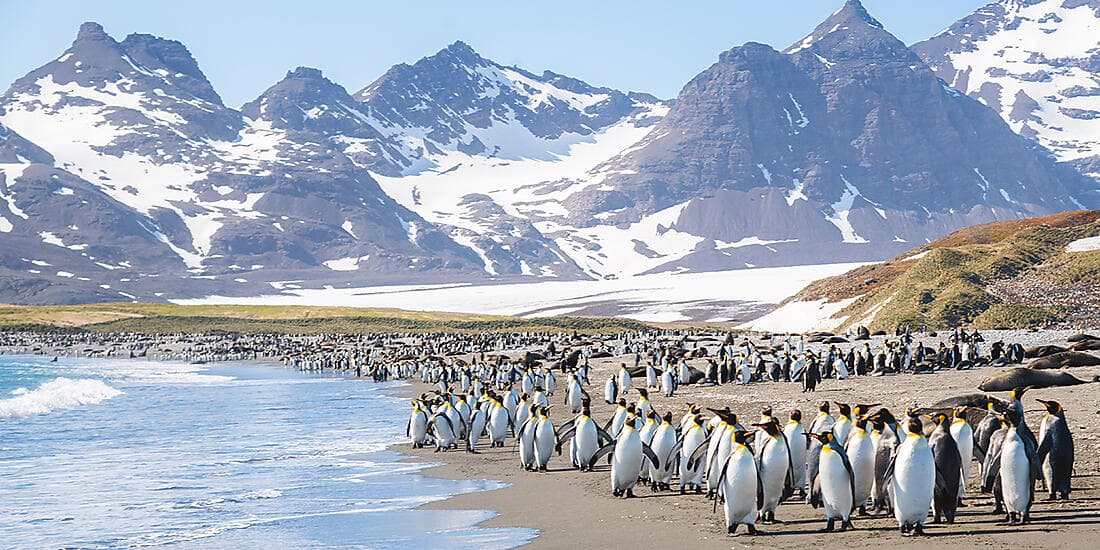
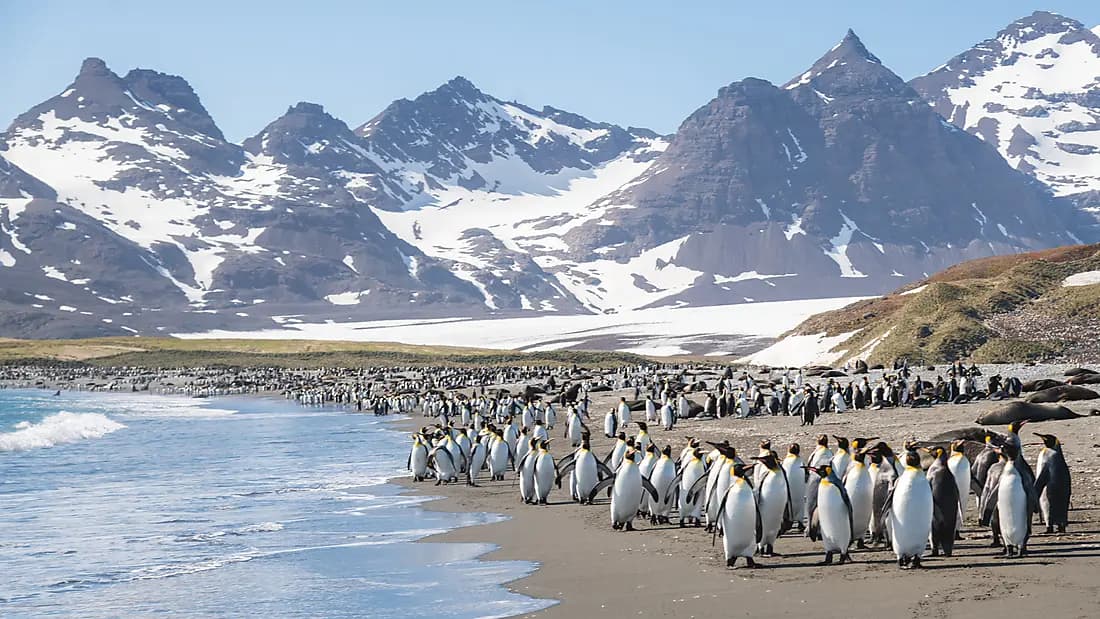
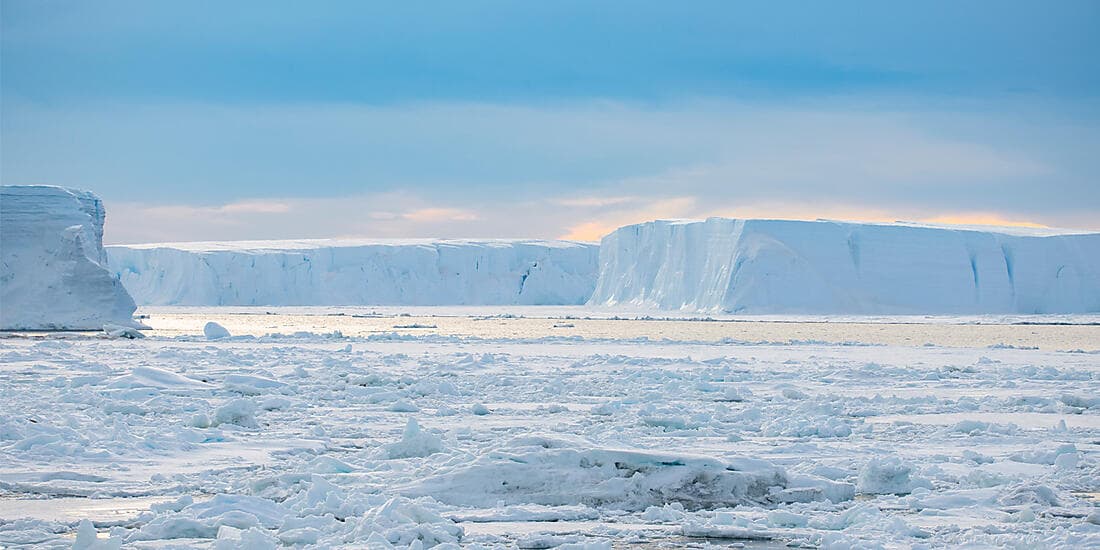
Sprinkled like land confetti in the heart of the Southern Ocean, the South Orkney Islands are part of the unique stops on Antarctic cruises. These former whaling stations are now a refuge for wildlife, including seals and penguins, and also serve as scientific bases – authentic open-air laboratories. The South Orkney Islands attract travellers in search of a change of scenery in the heart of powerful nature.
Discover the destination
Why the South Orkney Islands?
3 cruises in South Orkney Islands
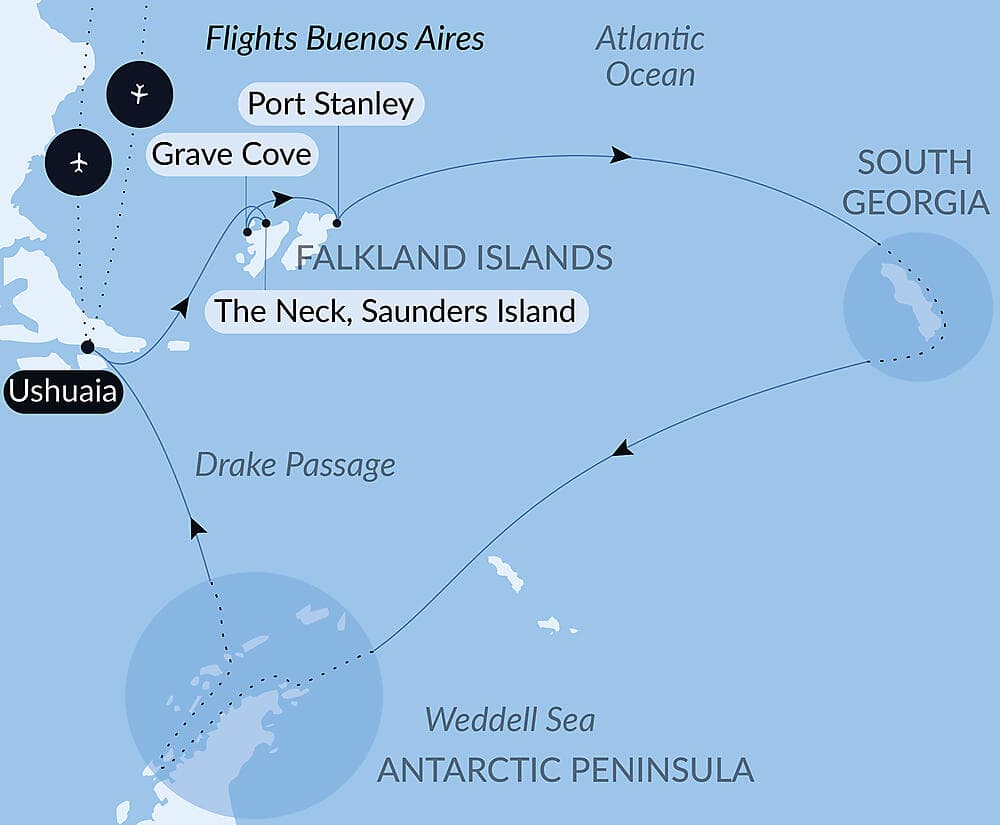
Package included
From
Ushuaia (Argentina)
To
Ushuaia (Argentina)
17 nightsaboard the shipLe Boréal
Next departures
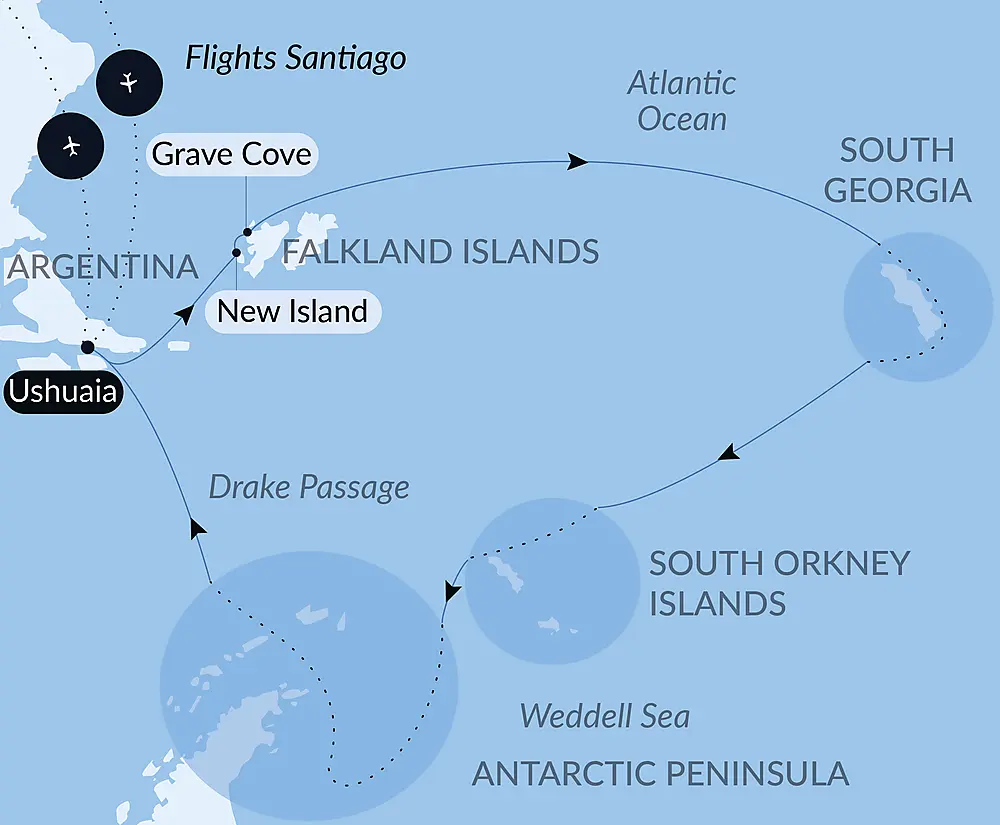
In alliance withSEDNA Exploration
The forgotten souls of the Far South
Package included
From
Ushuaia (Argentina)
To
Ushuaia (Argentina)
16 nightsaboard the shipLe Commandant Charcot
Next departure
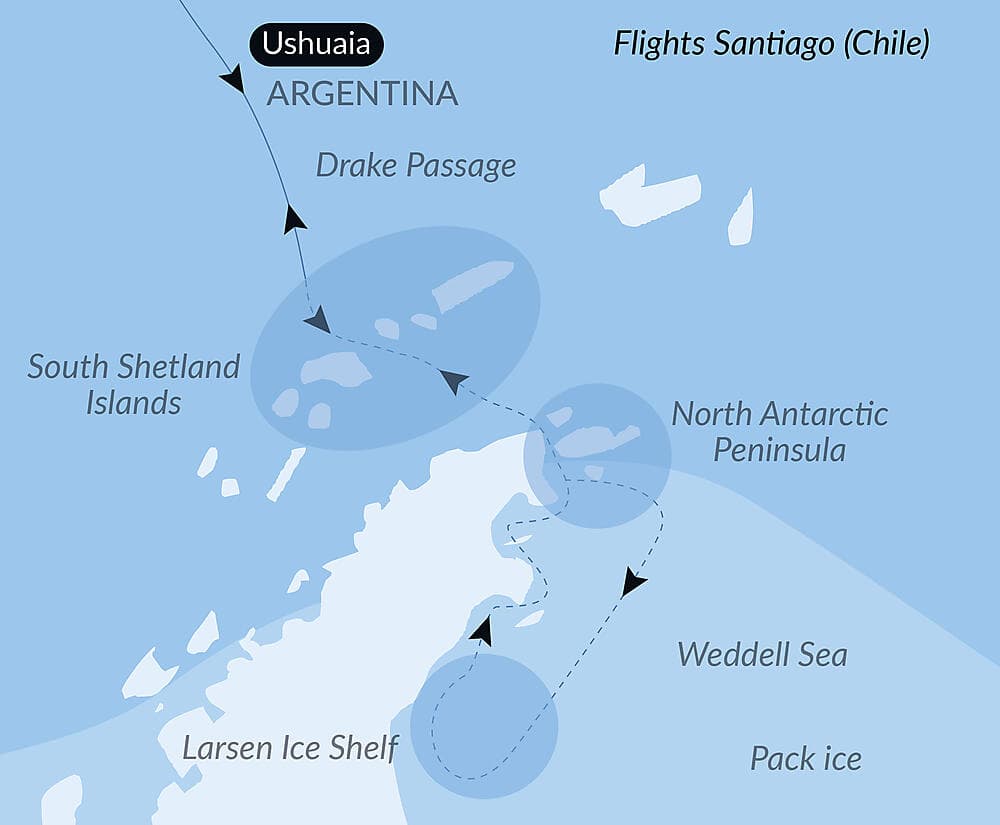
Package included
From
Ushuaia (Argentina)
To
Ushuaia (Argentina)
12 nightsaboard the shipLe Commandant Charcot
Next departure
*Price displayed is per person, based on double occupancy, based on availability, and subject to change at any time. The category of stateroom to which this price applies may no longer be available. The price includes the Ponant Bonus discount.
See all cruises in Antarctica
Explore

Brochures
More Inspiration
Brochures can be ordered in print or downloaded in digital format.